

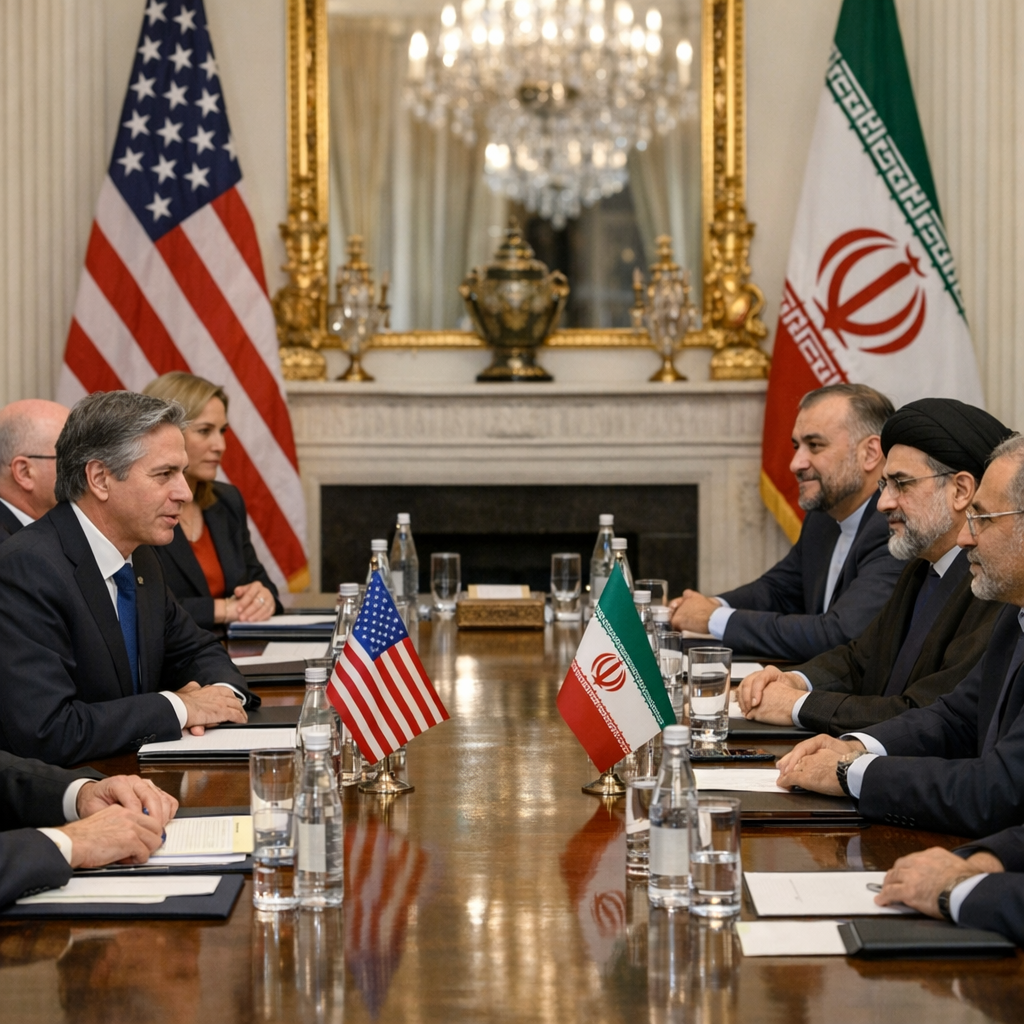
In recent developments, the United States and Iran have reached a significant agreement aimed at de-escalating tensions and fostering diplomatic relations. This accord has garnered attention both nationally and internationally, prompting discussions about its broader implications.
Key Components of the Agreement
The agreement primarily focuses on Iran’s commitment to forgo the development or acquisition of nuclear weapons. In return, the United States has agreed to assist in reopening the Strait of Hormuz, a crucial maritime passage for global oil shipments. This mutual understanding is expected to alleviate some of the longstanding hostilities between the two nations.
Potential Impact on Global Relations
The reopening of the Strait of Hormuz is anticipated to stabilize global oil markets, potentially leading to more predictable fuel prices. Additionally, this agreement may pave the way for further diplomatic engagements between the U.S. and Iran, influencing international relations in the Middle East and beyond.
Local Implications for Ann Arbor
While international agreements may seem distant, their effects can ripple down to local communities like Ann Arbor. For instance, stabilized fuel prices could benefit local businesses and consumers by reducing transportation and operational costs. Moreover, a decrease in global tensions may contribute to a more favorable environment for international students and faculty at the University of Michigan, fostering a more inclusive and diverse academic community.
As we continue to monitor the developments stemming from this agreement, it’s essential to consider both the global and local ramifications, understanding how international diplomacy can influence our daily lives.