

As we navigate the complexities of the current U.S. political and economic landscape, several significant developments have emerged that warrant attention.
Political Developments
Federal Government Shutdown
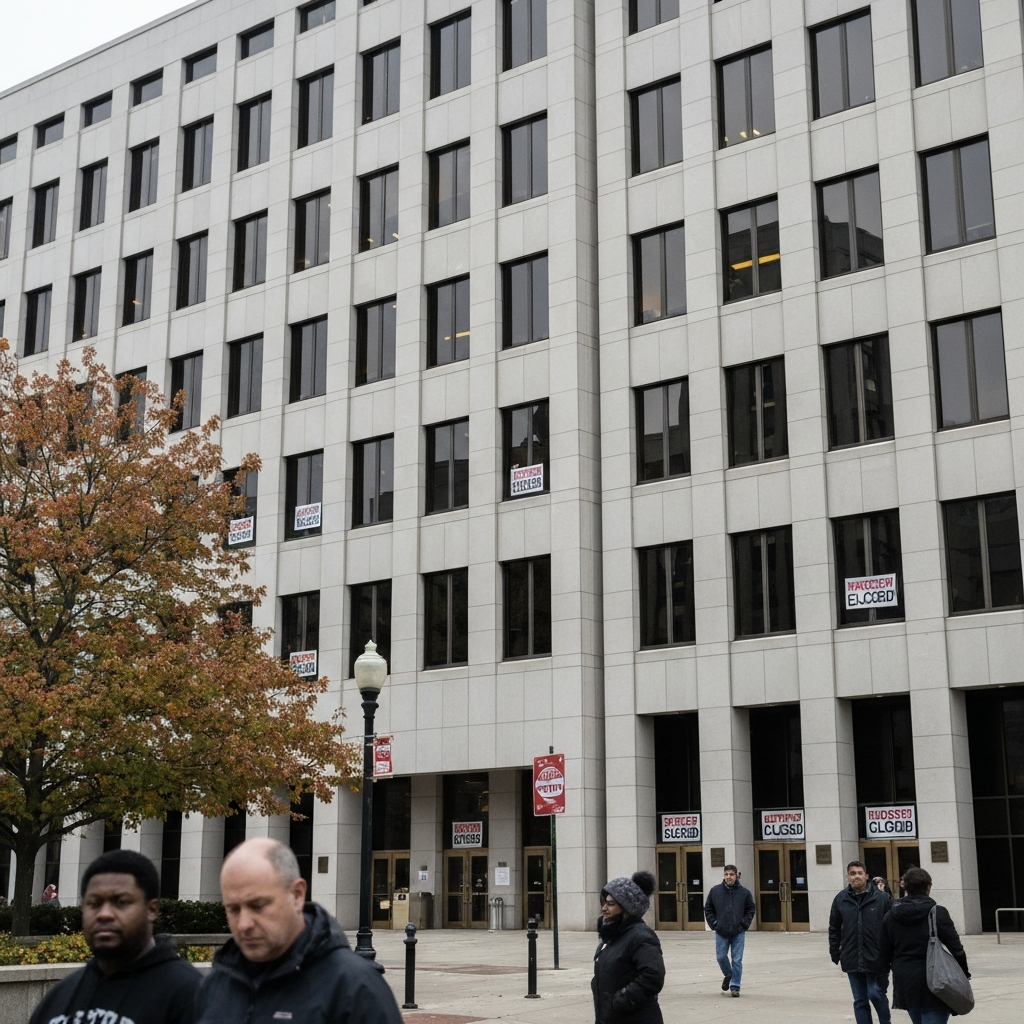
The federal government recently experienced a prolonged shutdown, which had widespread effects on various sectors, including air traffic, food assistance, and scientific research. This impasse has raised concerns about the stability and functionality of governmental operations. Source
Supreme Court Rulings on Voting Rights
In a landmark decision, the U.S. Supreme Court declared certain congressional district maps unconstitutional, prompting states like Louisiana to postpone their primary elections. This ruling underscores the ongoing challenges and debates surrounding voting rights and electoral fairness. Source
Economic Developments
Economic Growth and Inflation
The U.S. economy expanded at a 2% annualized pace in the first quarter of 2026, bolstered by advancements in artificial intelligence and a rebound from previous shutdown effects. However, inflation has reached its highest level in two years, influenced by international conflicts and other factors. Source
Federal Reserve’s Monetary Policy
Federal Reserve Chair Jerome Powell announced his intent to remain on the board beyond his current term, signaling continuity in monetary policy amidst economic uncertainties. This decision aims to provide stability as the nation addresses inflation and other economic challenges. Source
Implications for Ann Arbor
For residents of Ann Arbor, these national developments have tangible local impacts. The federal shutdown’s effects on research funding could influence projects at the University of Michigan, a major research institution. Additionally, economic fluctuations and inflation may affect local businesses and consumers, emphasizing the importance of staying informed and engaged with both national and local issues.
As we continue to monitor these evolving situations, it remains crucial for communities like Ann Arbor to adapt and respond proactively to the broader national context.