

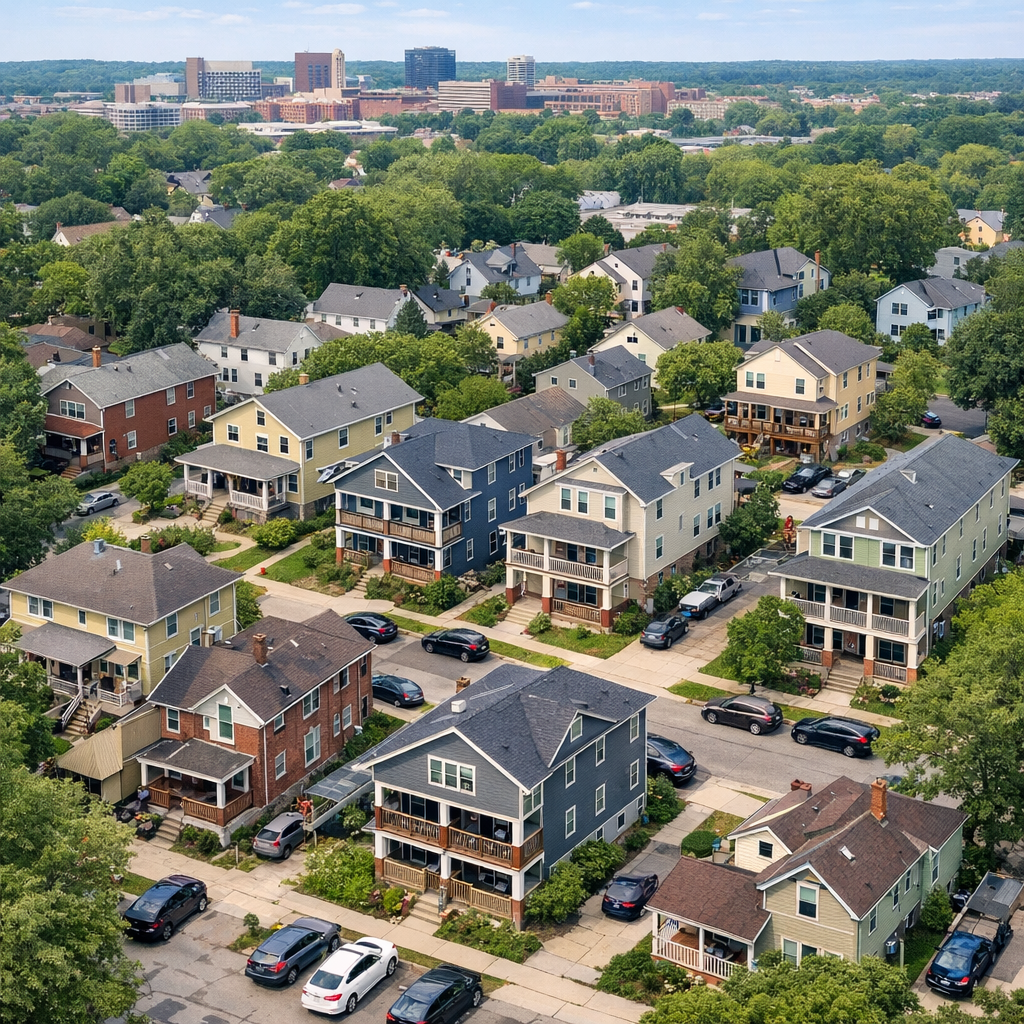
In a significant move towards addressing housing affordability and diversity, the Ann Arbor City Council has adopted the Comprehensive Land Use Plan 2050. This plan introduces a framework to guide the city’s development over the next few decades, focusing on increasing housing options and promoting sustainable growth.
Key Features of the Plan
The Comprehensive Land Use Plan 2050 introduces a three-tiered classification for land use:
- Hub Zones: Concentrated in downtown areas and major corridors, these zones are designated for higher-density developments.
- Transition Zones: Located along corridors and adjacent parcels, these areas serve as buffers between high-density hubs and residential neighborhoods.
- Residential Zones: Primarily existing neighborhoods where the plan allows for the introduction of duplexes and triplexes, aiming to diversify housing options.
By permitting multi-family units in traditionally single-family neighborhoods, the plan seeks to increase housing supply and provide more affordable options for residents.
Community Response
The adoption of the plan has elicited a range of responses from the community. Supporters argue that increasing housing density is essential for making Ann Arbor more inclusive and affordable. They believe that allowing duplexes and triplexes in residential areas will provide more opportunities for diverse populations to reside in the city.
Opponents, however, express concerns about potential changes to neighborhood character and the impact on existing infrastructure. Some residents worry that increased density could lead to overcrowding and strain on public services.
Implementation and Future Steps
With the plan now adopted, the next steps involve updating zoning ordinances to align with the new land use classifications. The city will also focus on infrastructure improvements to support increased density, particularly in hub and transition zones.
City officials emphasize that the plan is a living document, subject to periodic reviews and adjustments based on community feedback and evolving needs. They encourage residents to participate in upcoming public meetings and provide input as the implementation process unfolds.
As Ann Arbor embarks on this ambitious journey, the Comprehensive Land Use Plan 2050 stands as a testament to the city’s commitment to fostering a more inclusive, sustainable, and dynamic community for all its residents.