

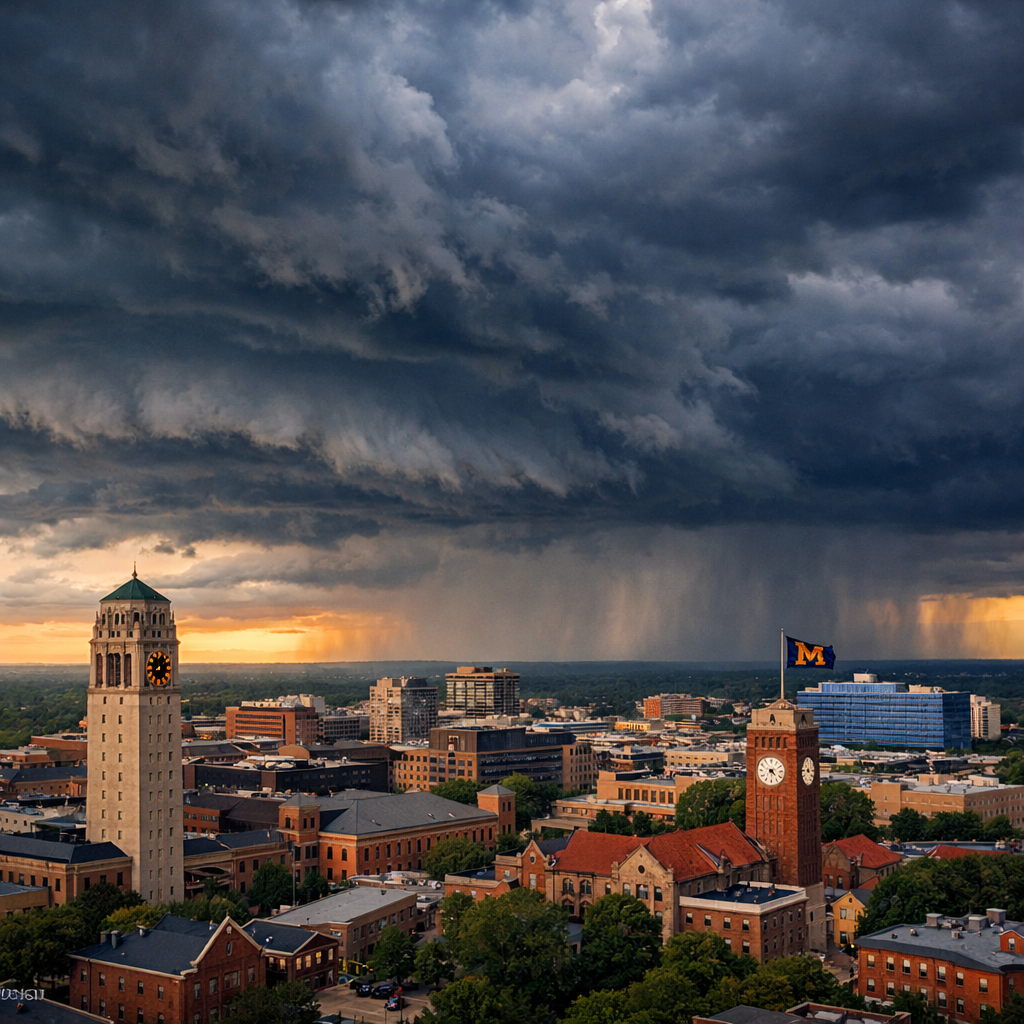
In Ann Arbor and across Washtenaw County, seasonal weather has long shaped everything from the fall color displays to winter’s deep snowbanks. But over recent decades, we’re seeing measurable shifts in patterns—changes that affect our natural world, our infrastructure, and our day-to-day lives.
Wetter Winters, Stronger Storms
Precipitation has increased significantly in Ann Arbor. Winters are wetter than in past decades, while warm seasons now bring more frequent heavy-rain events—especially in the summer months, when afternoon thunderstorms are more common. These shifts intensify flood risks, strain stormwater systems, and erode soil in local parks and streambeds.
Temperature Trends & Shrinking Snowfall
While Ann Arbor’s winters are still cold, they’re growing milder: fewer extremely cold days, and shorter periods with continuous snow cover. On average, snow depth is declining, and the “freeze-free” season—when freezes are rare—is changing in ways that impact local plant life and pest cycles.
Seasonal Impacts on Nature & Health
Early blooms and delayed frosts disrupt the timing of natural cycles: migratory birds, pollinators, and native plants may become out of sync. Meanwhile, increased humidity and heat during summer can worsen air quality, triggering respiratory stress. More heavy rainfall also leads to more runoff, threatening water quality in the Huron River and local streams.
What Ann Arbor Is Doing & How You Can Help
The city’s Office of Sustainability and Innovations recently marked the sixth year of its A²ZERO plan. Progress includes growing community solar capacity, launching energy-efficiency programs, updating Green Rental Housing regulations, and installing additional air quality monitors across neighborhoods. These measures aim to reduce carbon emissions, support climate resilience, and share sustainable tools broadly across the community.
On an individual level, planting native vegetation, reducing stormwater runoff at home, sealing up drafts, and choosing energy-efficient upgrades can all make a difference. Local volunteer efforts—park restoration, stream monitoring, urban tree planting—get stronger as more people join in.
Looking Ahead
Climate models project that by mid-century, Ann Arbor may see winters with 10–25% more precipitation and summers that are either slightly wetter or may trend toward more sporadic rain but higher temperatures. Heavy rainfall events will likely become even more common—making forward planning in city infrastructure, natural area protection, and public health an essential priority.
As weather and climate shift, staying informed and engaged can help our community adapt—protecting our landscapes, our health, and the quality of life that defines Ann Arbor.